The Etruscan Civilization
800 BCE - 200 BCE, Italy

This civilization flourished in ancient Italy, known for its rich culture, art, and influence on Roman society. It was characterized by unique burial practices and vibrant frescoes.
culture
0
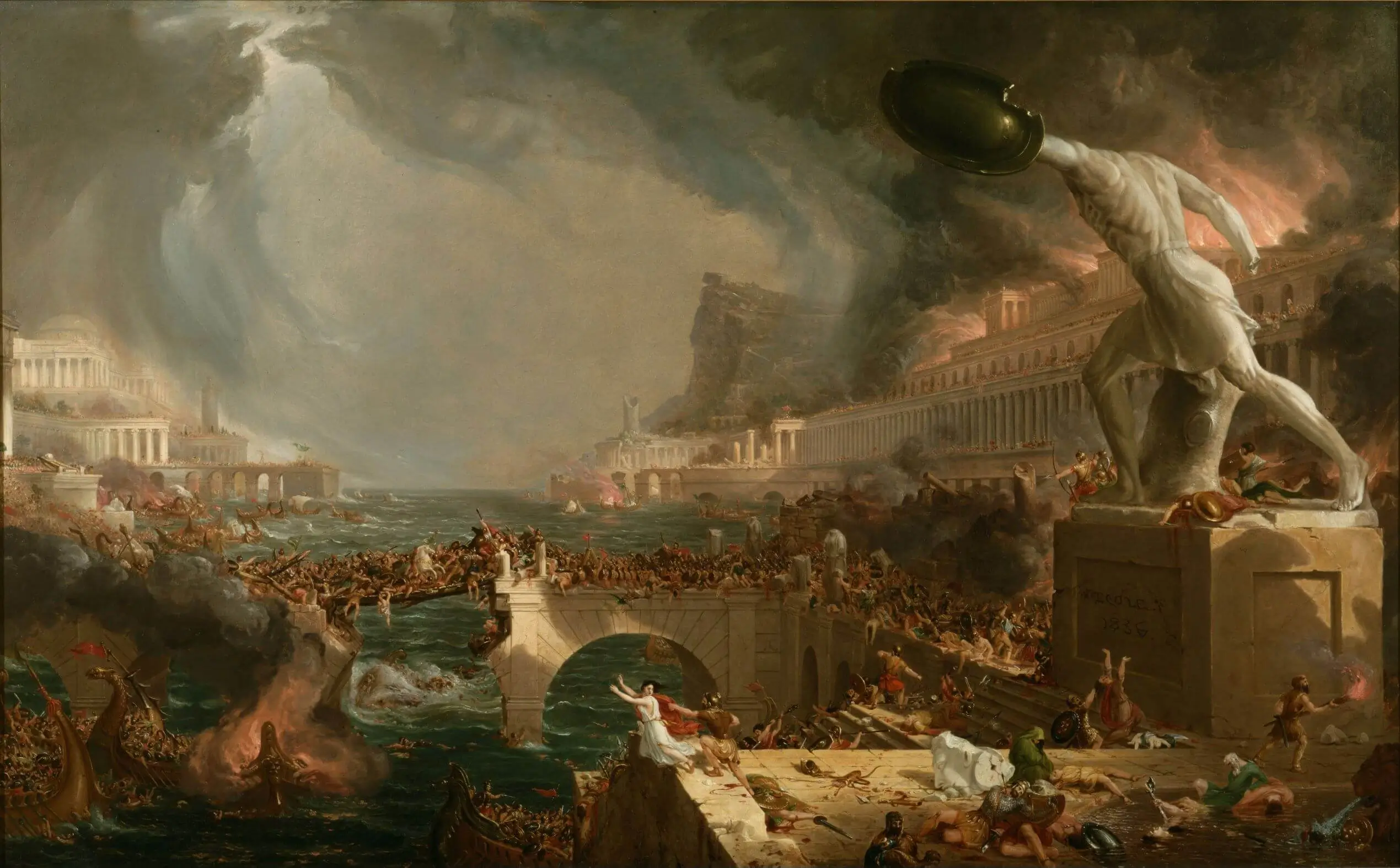
This civilization flourished in ancient Italy, known for its rich culture, art, and influence on Roman society. It was characterized by unique burial practices and vibrant frescoes.

This era marks the foundation of one of history's most influential civilizations, characterized by its early political structures and cultural developments.

The Samnite Confederation was a group of tribes in central and southern Italy known for their resistance to Roman expansion during the Samnite Wars.

This era marked the establishment of a new form of government, characterized by a complex system of checks and balances, and a focus on civic duty and public service.

This was the first aqueduct built in ancient Rome, designed to transport water from springs to the city, showcasing advanced engineering techniques.

Rome began building paved, durable roads around 300 BCE to support military movement, communication, and trade across its expanding territories.

Short sword used by Roman legions for stabbing in close combat.

A series of three wars fought between Rome and Carthage, pivotal in establishing Rome as a dominant power in the Mediterranean.

Fighters who engaged in combat for public entertainment in ancient Rome, often slaves or prisoners of war.

A military commander from Carthage, he is best known for leading his forces, including war elephants, across the Alps to invade Italy during the Second Punic War. His tactical genius is still studied in military academies around the world.

The Roman Tuba was a brass instrument used primarily in military contexts, signaling troops and enhancing the martial atmosphere.

Romans standardized torsion artillery for both field and siege use.

A pivotal figure in the transition from the Roman Republic to the Roman Empire, he played a critical role in the events that led to the demise of the Republic.
A prominent figure in Roman history, known for his military prowess and political alliances during the late Republic.

An iconic symbol of ancient Rome, this amphitheater hosted gladiatorial contests and public spectacles.